Guide to National Parks With Volcanic Landscapes
The volcanic national parks of the United States preserve active geological systems, ancient craters, and hydrothermal terrain that exist nowhere else in the protected landscape network. Each park represents a different chapter in the geological history of the American West and Pacific — from hotspot-driven shield volcanoes in Hawaii to subduction-zone stratovolcanoes in the Cascades. This guide introduces the key sites, their primary geological features, and the viewpoints and routes that make each accessible.
The Cascade Volcanic Arc Parks
Three national park units sit along the Cascade volcanic arc, each protecting a distinct eruption history and landscape type. Visiting all three in sequence reveals the full geological range of subduction-driven volcanism in the Pacific Northwest.
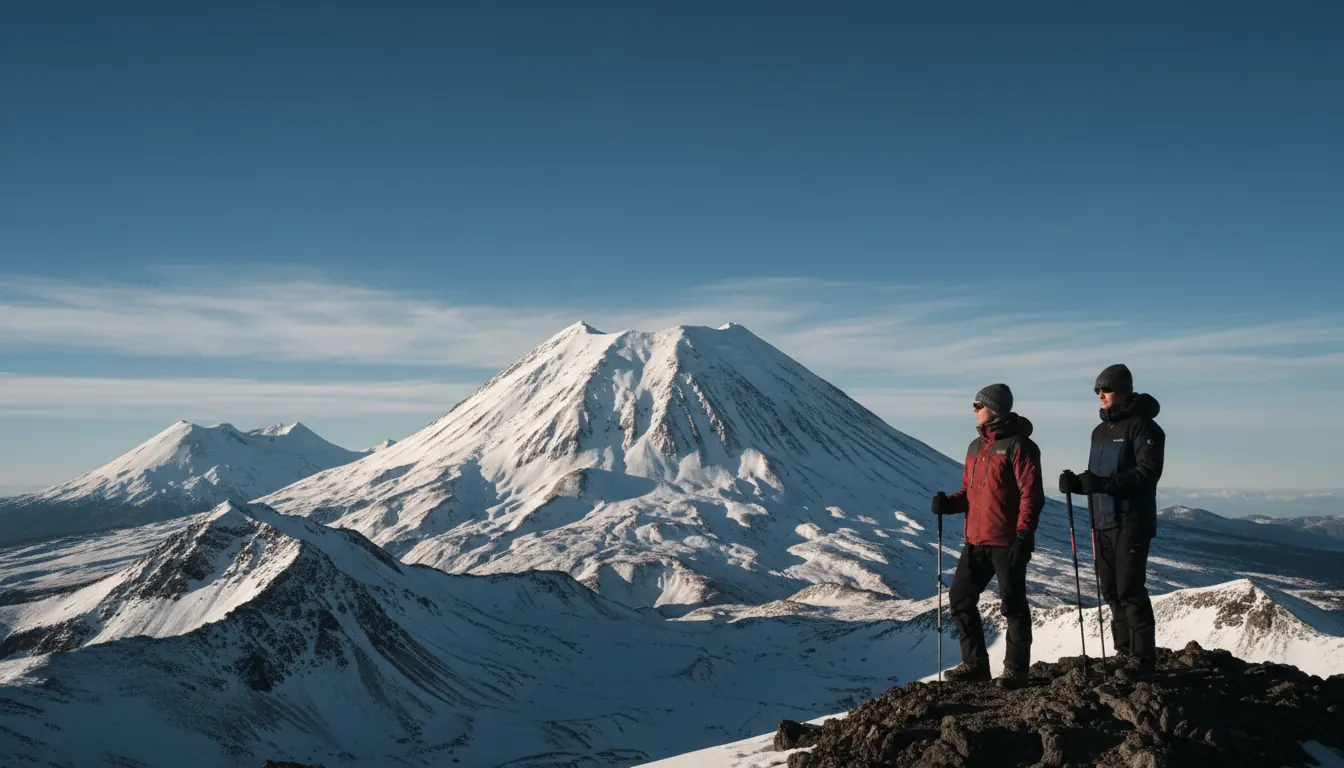
- Mount Rainier National Park protects a 14,411-foot stratovolcano with active fumaroles at the summit crater and extensive glaciated flanks feeding river systems below.
- Mount St. Helens National Volcanic Monument preserves the 1980 blast zone in active ecological recovery, with direct crater views from Johnston Ridge Observatory.
- Crater Lake National Park occupies the caldera of Mount Mazama, which collapsed approximately 7,700 years ago in an eruption estimated at 40 times the force of the 1980 St. Helens event.
- Lassen Volcanic National Park marks the southern end of the Cascade arc and is the only park containing representatives of all four recognized volcano types.
Key Parks at a Glance
The table below provides a reference comparison of the primary volcanic national park units by geological type, activity status, and visitor access season.
| Park | Volcano Type | Full Access Season |
|---|---|---|
| Hawaii Volcanoes NP | Shield volcano (hotspot) | Year-round |
| Crater Lake NP | Caldera (collapsed stratovolcano) | June – October |
| Lassen Volcanic NP | Plug dome, shield, cinder cone, composite | June – October |
| Mount Rainier NP | Stratovolcano | July – September (summit zone) |
"Every volcanic national park is a geology textbook you can walk through — but you need at least a chapter of reading before the landscape starts speaking clearly."
Hawaii Volcanoes and the Hotspot Parks
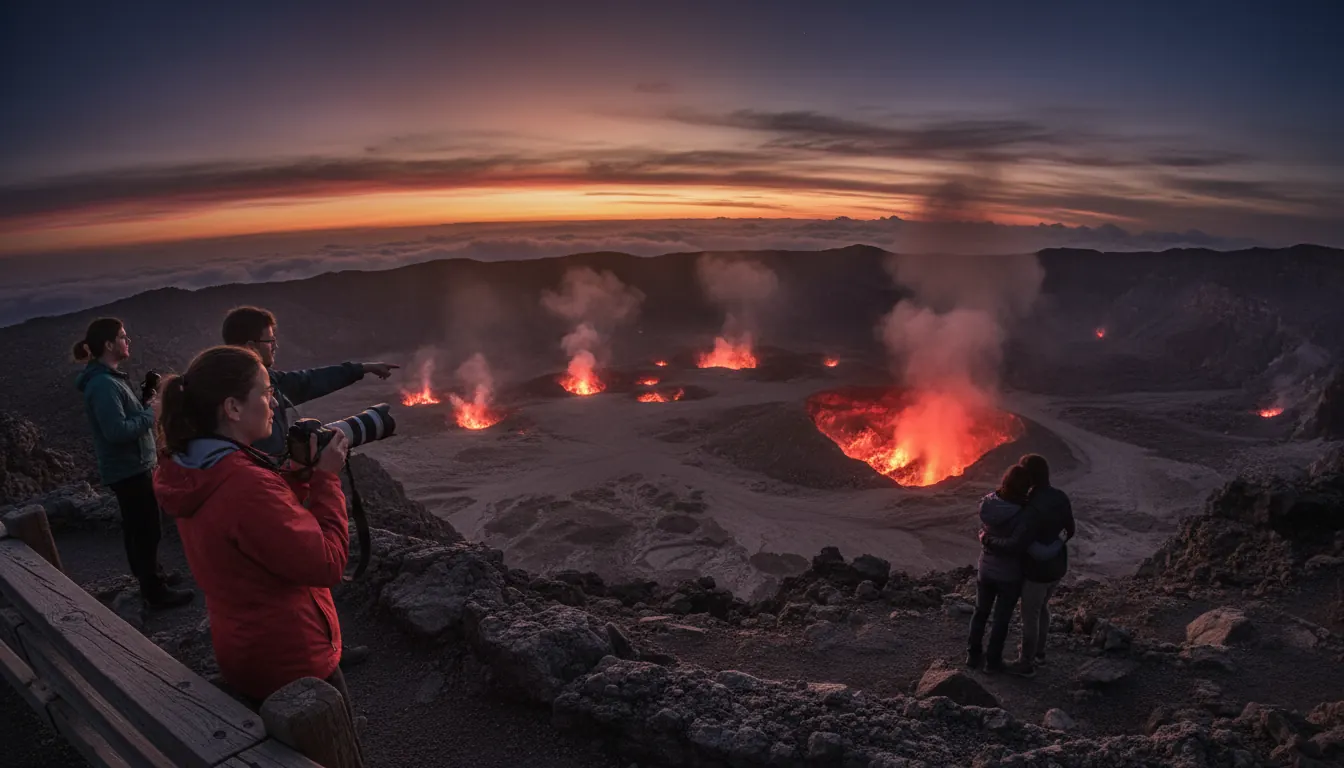
Hawaii Volcanoes National Park operates on different geological logic from the Cascade parks. Rather than sitting on a plate boundary, the Big Island sits above a deep mantle hotspot that has been producing shield volcanism for millions of years. Kilauea, currently the most active volcano on Earth by eruption frequency, has been erupting continuously in various forms since 1983. The park's Chain of Craters Road descends 3,700 feet from the summit caldera to the coast, passing through lava flows from multiple eruption periods and offering the most accessible active volcanic terrain in the national park system.